
The first time I traveled alone, I was equal parts excited and nervous.
I remember standing in a crowded train station in a city where I barely spoke the language. My phone battery was running low, I had two bags to carry, and I suddenly realized nobody knew exactly where I was. It wasn’t a dangerous situation, but it was the moment I understood something important:
Solo travel isn’t about avoiding risk completely—it’s about managing risk intelligently.
Since then, I’ve spent countless hours researching travel safety, testing apps, speaking with experienced travelers, and refining habits that make solo travel safer and more enjoyable.
The good news? Most travel problems are preventable.
In this guide, I’ll share practical, real-world strategies on how to stay safe while traveling alone, including personal lessons, useful tools, and expert-backed tips that can help you travel confidently whether you’re exploring a nearby city or crossing continents.
Why Solo Travel Safety Matters
Solo travel continues to grow in popularity. More travelers are choosing independent adventures because they offer freedom, flexibility, and personal growth.
However, traveling alone means you’re responsible for:
- Navigation
- Decision-making
- Emergency planning
- Personal security
- Health and well-being
When something goes wrong, there’s no travel companion to immediately help.
That’s why preparation matters.
In my experience, the safest solo travelers aren’t the most fearless—they’re the most prepared.
Read More: How to Save Money at Home Easily
Research Your Destination Like a Local
One of the biggest mistakes first-time solo travelers make is researching attractions but ignoring safety information.
Before every trip, I create a simple destination safety checklist.
Things to Research Before Arrival
Local Safety Conditions
Check:
- Government travel advisories
- Local news
- Neighborhood safety reports
- Tourist scam warnings
Cultural Expectations
Understanding local customs can prevent uncomfortable situations.
For example:
- Appropriate clothing
- Public behavior norms
- Gender-specific expectations
- Photography restrictions
Emergency Contacts
Save:
- Local emergency numbers
- Embassy contact information
- Hotel details
- Trusted transportation providers
I was skeptical at first about saving all this information, but having emergency contacts stored offline has helped me more than once when internet access wasn’t available.
Share Your Travel Plans with Someone You Trust
This may be the simplest safety tip—and one of the most effective.
Before traveling, I always share:
- Flight details
- Hotel reservations
- Daily itinerary
- Emergency contacts
Create Regular Check-Ins
A simple system works best.
For example:
- Morning message
- Evening update
- Quick location share when changing cities
If someone doesn’t hear from you as expected, they can act quickly.
Many experienced solo travelers use location-sharing features through apps like:
- Google Maps
- Apple Find My
This creates an extra layer of protection without affecting your independence.
Choose Accommodations Strategically
Where you stay significantly impacts your safety.
Price should never be the only factor.
What I Look for in Solo Traveler-Friendly Accommodations
Strong Reviews
I read recent reviews carefully.
Specifically, I search for comments mentioning:
- Safety
- Security
- Neighborhood quality
- Solo travelers’ experiences
Secure Entry Systems
Look for:
- 24-hour reception
- Keycard access
- Security cameras
- Well-lit entrances
Central Locations
Saving money by staying far outside a city center can sometimes increase risk.
A central location often means:
- Better transportation
- More people around
- Easier access to help
- Reduced need for late-night travel
In one trip, spending slightly more for a central hotel saved me from repeatedly taking long taxi rides through unfamiliar areas after dark.
Protect Your Money and Valuables
One lesson I’ve learned is that theft prevention is mostly about reducing opportunity.
Most petty theft targets distracted travelers.
Smart Money Safety Habits
Don’t Carry Everything Together
Separate:
- Cash
- Credit cards
- Passport copies
If one item is lost or stolen, you still have backups.
Use Digital Payments When Possible
Mobile wallets such as:
- Apple Pay
- Google Pay
- Samsung Wallet
reduce the need to carry large amounts of cash.
Keep an Emergency Fund
I always carry emergency backup money in a separate location.
This habit has saved several travelers I know when primary cards stopped working overseas.
Stay Aware Without Becoming Paranoid
Situational awareness is one of the most valuable travel skills.
The goal isn’t fear.
The goal is awareness.
Simple Awareness Techniques
Observe Your Environment
When entering a new area, notice:
- Exits
- Crowds
- Lighting
- Transportation options
Limit Phone Distractions
One common travel mistake is walking while staring at a screen.
I often step into a café or shop before checking directions.
This makes me less vulnerable and helps me look more confident.
Trust Your Instincts
If a situation feels wrong, leave.
You don’t need proof.
You don’t need justification.
Many experienced travelers can recall moments where intuition helped them avoid uncomfortable situations.
Transportation Safety for Solo Travelers
Transportation is where many travelers feel most vulnerable.
Fortunately, a few habits make a major difference.
Use Trusted Transportation Services
Whenever possible, choose:
- Official airport taxis
- Licensed ride-sharing services
- Verified hotel transportation
Before entering a vehicle:
- Confirm driver information
- Check license plate numbers
- Share ride details with someone
Avoid Arriving Late at Night
When planning flights, I try to arrive during daylight hours.
Benefits include:
- Easier navigation
- More transportation options
- Better visibility
- Lower stress
This small adjustment can dramatically improve safety.
Stay Connected at All Times
Reliable communication is a critical safety tool.
Essential Technology for Solo Travel
Portable Power Bank
A dead phone can create unnecessary problems.
I never travel without a fully charged power bank.
Offline Maps
Download maps before arrival.
Google Maps offline functionality has helped me navigate several destinations without mobile data.
Local SIM or eSIM
Reliable internet access improves:
- Navigation
- Emergency communication
- Transportation booking
- Translation services
Apps like Airalo and Holafly have made obtaining international data easier than ever.
Avoid Common Travel Scams
Scams exist in nearly every major tourist destination.
The best defense is awareness.
Popular Scams Targeting Solo Travelers
Fake Taxi Drivers
Only use verified transportation.
Distraction Theft
One person distracts you while another steals belongings.
“Helpful Stranger” Scams
Unexpected assistance often comes with hidden costs.
ATM Assistance Scams
Never allow strangers to help with financial transactions.
Before every trip, I spend 15 minutes researching common scams in my destination. That short investment often prevents expensive mistakes.
Personal Safety During Nighttime Exploration
Many destinations come alive after dark.
You don’t need to avoid nightlife entirely.
You simply need smarter habits.
Night Safety Tips
Stay in Populated Areas
Choose:
- Busy streets
- Well-lit routes
- Popular venues
Monitor Alcohol Consumption
One rule I always follow:
Never become less aware than the people around me.
This doesn’t mean avoiding alcohol completely.
It means maintaining control and judgment.
Keep Transportation Plans Ready
Know how you’ll return before leaving your accommodation.
Planning ahead removes unnecessary risk.
Health and Medical Safety While Traveling Alone
Health emergencies can happen anywhere.
Preparation reduces stress dramatically.
Build a Travel Health Kit
Include:
- Prescription medications
- Pain relievers
- Bandages
- Allergy medication
- Electrolyte packets
Purchase Travel Insurance
Travel insurance is one expense I never skip.
Coverage can help with:
- Medical emergencies
- Trip interruptions
- Lost baggage
- Evacuations
The cost is usually small compared to potential emergency expenses.
Safety Tools and Apps Worth Using
Here are several tools I personally find useful:
Google Maps
- Offline navigation
- Location sharing
- Emergency communication
- Live location features
Google Translate
- Language assistance
- Offline translation
Airalo
- International eSIM service
TripIt
- Travel itinerary organization
These tools won’t replace common sense, but they can significantly improve travel safety and convenience.
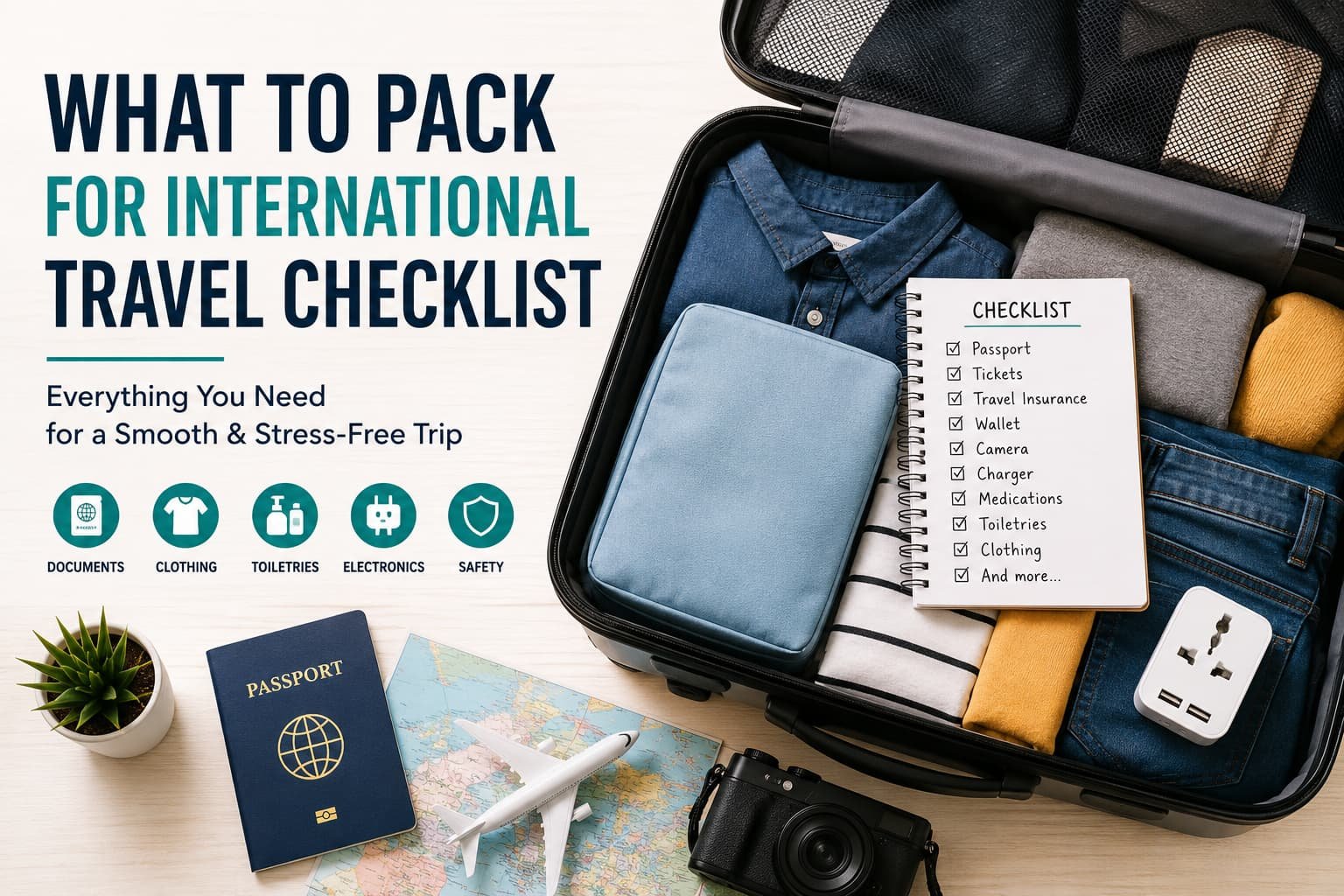
Quick Solo Travel Safety Checklist
Before leaving:
✅ Share itinerary with someone
✅ Download offline maps
✅ Save emergency contacts
✅ Carry backup payment methods
✅ Research local scams
✅ Purchase travel insurance
✅ Charge devices and power banks
✅ Verify accommodations
✅ Learn basic local phrases
✅ Trust your instincts
Frequently Asked Questions
Is solo travel safe for beginners?
Yes. Solo travel can be very safe when you plan carefully, research destinations, and follow basic safety practices. Many first-time travelers successfully explore new places alone every year.
How do I stay safe while traveling alone at night?
Stick to well-lit areas, avoid excessive alcohol consumption, use trusted transportation, and always know your route back to your accommodation before going out.
What is the biggest safety mistake solo travelers make?
In my experience, becoming overly comfortable too quickly is one of the most common mistakes. Travelers often relax their awareness after a few successful days. Consistent caution is important throughout the entire trip.
Conclusion:
The safest solo travelers aren’t necessarily the most experienced or adventurous.
They’re the ones who prepare.
Every trip has taught me that confidence doesn’t come from luck—it comes from having a plan, staying aware, and making thoughtful decisions.
Traveling alone can be one of the most rewarding experiences you’ll ever have. You gain independence, meet incredible people, and learn more about yourself than you might expect.
By researching destinations, protecting your valuables, staying connected, trusting your instincts, and using practical safety strategies, you can dramatically reduce risks while maximizing the freedom that makes solo travel so special.
The goal isn’t to travel fearfully.
It’s to travel intelligently, confidently, and safely—so you can focus on creating unforgettable memories wherever your journey takes you.