
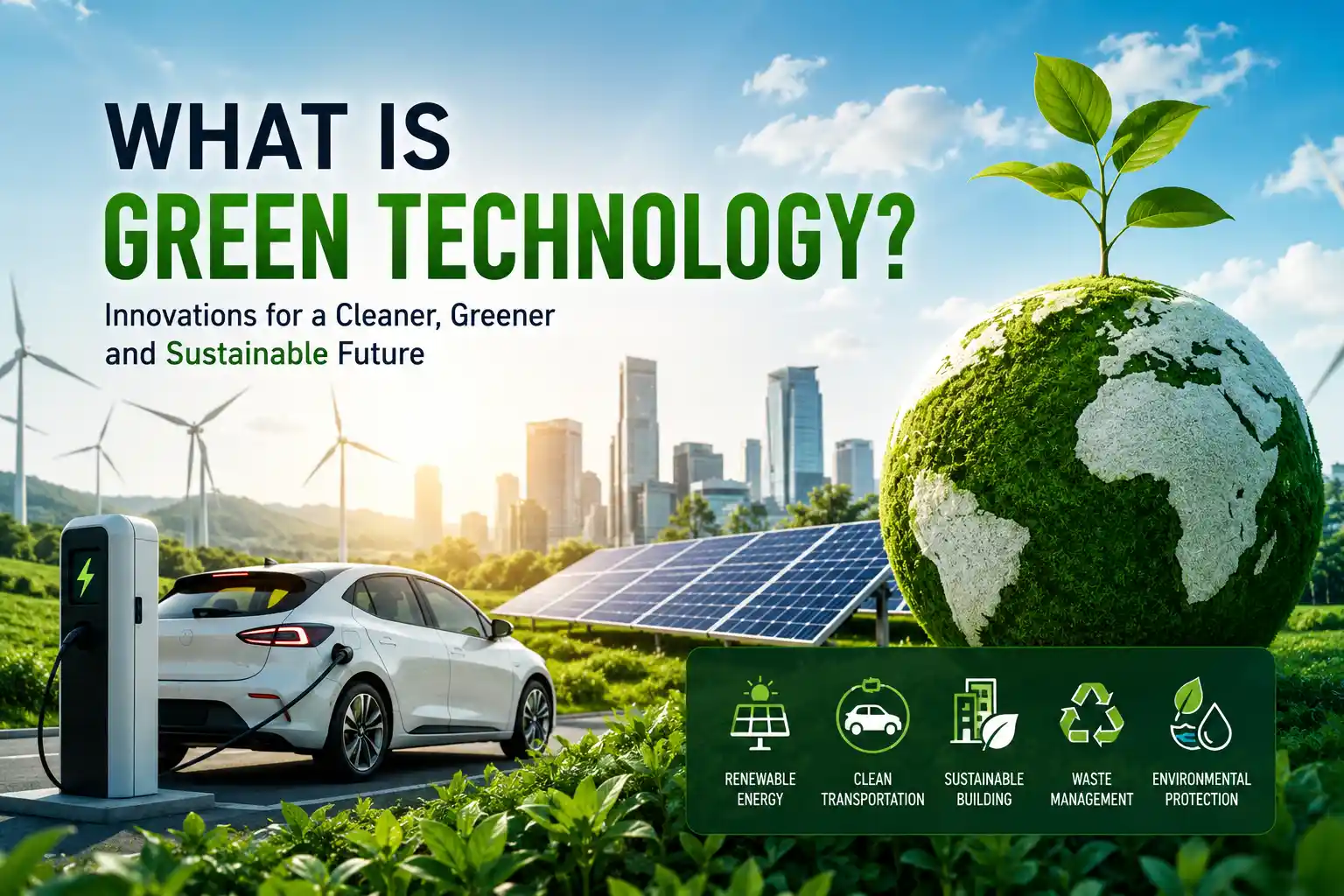
In recent years, I’ve noticed that more people are becoming interested in sustainable living, renewable energy, and eco-friendly innovations. One term that constantly appears in these conversations is green technology. But many people still wonder: What exactly is green technology, and why is it so important today?
Green technology is more than just solar panels or electric cars. It’s a broad concept focused on creating solutions that reduce environmental damage while improving the way we live and work. From cleaner energy systems to smart waste management, green technology is shaping the future of industries, cities, and households worldwide.
Understanding Green Technology
Green technology, often called greentech, refers to the development and use of innovative products, systems, and processes that help protect the environment and conserve natural resources.
Its primary goal is to reduce the harmful effects of human activity on the planet while promoting sustainability and long-term environmental balance.
You may also hear green technology described as:
- Clean technology
- Environmental technology
- Sustainable technology
- Eco-friendly technology
No matter the term, the idea remains the same: using science and innovation to create solutions that are safer for the environment.
Overview: Green Technology Explained
Green technology focuses on developing eco-friendly solutions that reduce pollution, conserve energy, and protect natural resources. It includes innovations such as renewable energy systems, electric vehicles, smart energy devices, recycling technologies, and sustainable building methods.
The core purpose of green technology is to support environmental sustainability while meeting modern human needs. In my experience, this field has expanded rapidly because governments, businesses, and consumers are now prioritizing cleaner and more efficient alternatives to traditional systems.
Some major areas of green technology include:
- Renewable energy like solar and wind power
- Energy-efficient devices and smart systems
- Waste reduction and recycling solutions
- Green construction and sustainable architecture
- Carbon capture and environmental protection technologies
Examples of green technology can be seen everywhere today, from LED lighting and electric cars to vertical farming and water purification systems. These innovations help reduce greenhouse gas emissions, lower energy consumption, and improve public health.
As global climate concerns continue to grow, green technology is becoming essential for building a cleaner and more sustainable future.
Why Green Technology Matters
In my experience researching sustainability trends, one thing becomes clear very quickly: traditional industrial systems have caused serious environmental challenges.
These problems include:
- Air pollution
- Water contamination
- Climate change
- Deforestation
- Excessive waste production
- Overdependence on fossil fuels
Green technology helps solve these issues by replacing outdated, harmful methods with cleaner alternatives.
For example:
- Solar energy reduces dependence on coal.
- Electric vehicles reduce harmful emissions.
- Smart irrigation systems save water.
- Recycling technologies reduce landfill waste.
Without green innovation, environmental damage would continue growing at an unsustainable rate.
Read More About: What Is Automotive Technology? Complete Beginner Guide
Core Principles of Green Technology
Green technology is built around several important principles.
1. Sustainability
The biggest goal is long-term environmental balance. Green solutions aim to meet today’s needs without harming future generations.
2. Energy Efficiency
Many green technologies are designed to use less energy while delivering better performance.
For example:
- LED bulbs consume far less electricity than traditional bulbs.
- Smart thermostats reduce unnecessary energy use.
3. Waste Reduction
Reducing waste is a major part of sustainable innovation.
This includes:
- Recycling materials
- Reusing resources
- Composting organic waste
- Designing products with less packaging
4. Reduced Pollution
Green technologies aim to minimize harmful emissions and environmental contamination.
This can include:
- Cleaner transportation
- Renewable power generation
- Low-emission manufacturing systems
5. Resource Conservation
Protecting natural resources like water, forests, and fossil fuels is another key objective.
Types of Green Technology
Green technology covers many industries and innovations. Here are the most important categories.
Renewable Energy Technology
Renewable energy is one of the most recognized forms of green technology.
It focuses on generating power from natural sources that do not run out.
Examples Include:
- Solar panels
- Wind turbines
- Hydropower systems
- Geothermal energy
- Biomass energy
In my experience, solar energy has become especially popular because installation costs have dropped significantly over the years.
Green Transportation
Transportation produces a large percentage of global carbon emissions. Green transportation technologies aim to reduce this impact.
Common Examples:
- Electric vehicles (EVs)
- Hybrid cars
- Hydrogen-powered vehicles
- Electric public transportation
- Bicycle-sharing systems
Companies like Tesla have accelerated public interest in sustainable transportation.
Energy-Efficient Technology
Energy efficiency is often the fastest and most affordable way to reduce environmental impact.
Examples Include:
- LED lighting
- Smart thermostats
- Energy-efficient appliances
- Smart home systems
- Automated lighting controls
These technologies lower electricity consumption and reduce utility costs.
Sustainable Building Technology
Green construction is becoming increasingly common worldwide.
Sustainable buildings are designed to:
- Use less energy
- Reduce waste
- Improve air quality
- Conserve water
Examples:
- Green roofs
- Solar-powered buildings
- Rainwater harvesting systems
- Eco-friendly insulation
- Smart ventilation systems
In my research, many businesses are now pursuing green building certifications to improve sustainability and reduce operating costs.
Waste Management and Recycling Technology
Modern waste management technologies help reduce landfill pollution and encourage recycling.
Examples Include:
- Automated recycling systems
- Composting technology
- Waste-to-energy plants
- Plastic recycling innovations
- Smart waste collection systems
This area is becoming more important as urban populations continue growing.
Environmental Protection Technologies
Some green technologies are specifically designed to restore or protect ecosystems.
Examples:
- Carbon capture and storage (CCS)
- Water purification systems
- Air filtration technologies
- Vertical farming
- Ocean cleanup systems
These solutions directly address environmental damage and resource shortages.
Real-World Examples of Green Technology
To better understand green technology, it helps to look at practical examples used every day.
Solar Panels
Solar panels convert sunlight into electricity without producing harmful emissions.
Today, homeowners and businesses use solar systems to:
- Lower electricity bills
- Reduce carbon footprints
- Gain energy independence
Electric Vehicles
Electric vehicles use rechargeable batteries instead of gasoline engines.
Benefits include:
- Lower fuel costs
- Reduced emissions
- Quieter operation
- Lower maintenance requirements
Brands like BYD and Tesla have made EVs more accessible globally.
Smart Thermostats
Smart thermostats automatically adjust indoor temperatures based on usage patterns.
In my experience, this technology can significantly reduce energy waste while improving comfort.
Vertical Farming
Vertical farming grows crops indoors using stacked layers and controlled environments.
Benefits include:
- Less water usage
- Reduced land requirements
- Year-round production
- Lower transportation emissions
This innovation is especially useful in crowded urban areas.
Benefits of Green Technology
Green technology offers advantages for both the environment and society.
Environmental Benefits
Reduced Carbon Emissions
Cleaner energy systems help reduce greenhouse gases.
Improved Air Quality
Less pollution means healthier living conditions.
Conservation of Resources
Sustainable technologies protect water, forests, and minerals.
Reduced Waste
Better recycling and waste management reduce landfill pressure.
Economic Benefits
Many people assume green technology is expensive, but in many cases, it saves money over time.
Lower Energy Costs
Energy-efficient systems reduce electricity bills.
Job Creation
The green economy creates jobs in:
- Renewable energy
- Manufacturing
- Construction
- Environmental engineering
Long-Term Savings
Sustainable systems often reduce maintenance and operational costs.
Health Benefits
Green technology can also improve public health.
Examples include:
- Cleaner air
- Safer drinking water
- Reduced chemical exposure
- Lower respiratory illness rates
Challenges of Green Technology
Despite its advantages, green technology still faces several challenges.
High Initial Costs
Some technologies require expensive upfront investments.
For example:
- Solar panel installation
- Electric vehicle purchases
- Smart infrastructure upgrades
However, long-term savings often offset these costs.
Infrastructure Limitations
Many regions still lack the infrastructure needed for large-scale green adoption.
Examples include:
- EV charging stations
- Smart energy grids
- Recycling facilities
Technology Accessibility
In some developing regions, green technologies remain difficult to access or afford.
Governments and businesses continue working to improve availability.
How Individuals Can Support Green Technology
You don’t need to own a solar farm to contribute to sustainability.
Simple actions can make a real difference.
Practical Steps:
- Use energy-efficient appliances
- Switch to LED lighting
- Reduce single-use plastics
- Recycle regularly
- Use public transportation when possible
- Support eco-friendly businesses
- Conserve water and electricity
In my experience, small lifestyle changes often lead to long-term habits that positively impact the environment.
The Future of Green Technology
Green technology is evolving rapidly.
Several trends are expected to shape the future, including:
- Advanced battery storage
- Smart cities
- AI-powered energy management
- Carbon-neutral manufacturing
- Hydrogen fuel systems
- Sustainable agriculture innovations
Governments worldwide are also increasing investments in clean energy and climate initiatives.
As environmental awareness grows, green technology will likely become part of everyday life rather than a specialized industry.
Final Thoughts
Green technology is transforming the way we produce energy, travel, build cities, and manage resources. Its main purpose is simple: create a cleaner, healthier, and more sustainable future.
From renewable energy and electric vehicles to smart homes and recycling systems, these innovations are helping reduce environmental damage while improving quality of life.
In my experience researching sustainability and environmental trends, one thing stands out clearly: green technology is no longer optional. It is becoming a necessary part of modern living.
Even small steps toward sustainability can create meaningful change over time. Whether it’s reducing energy use, supporting eco-friendly products, or learning more about renewable energy, every action contributes to a healthier planet.