
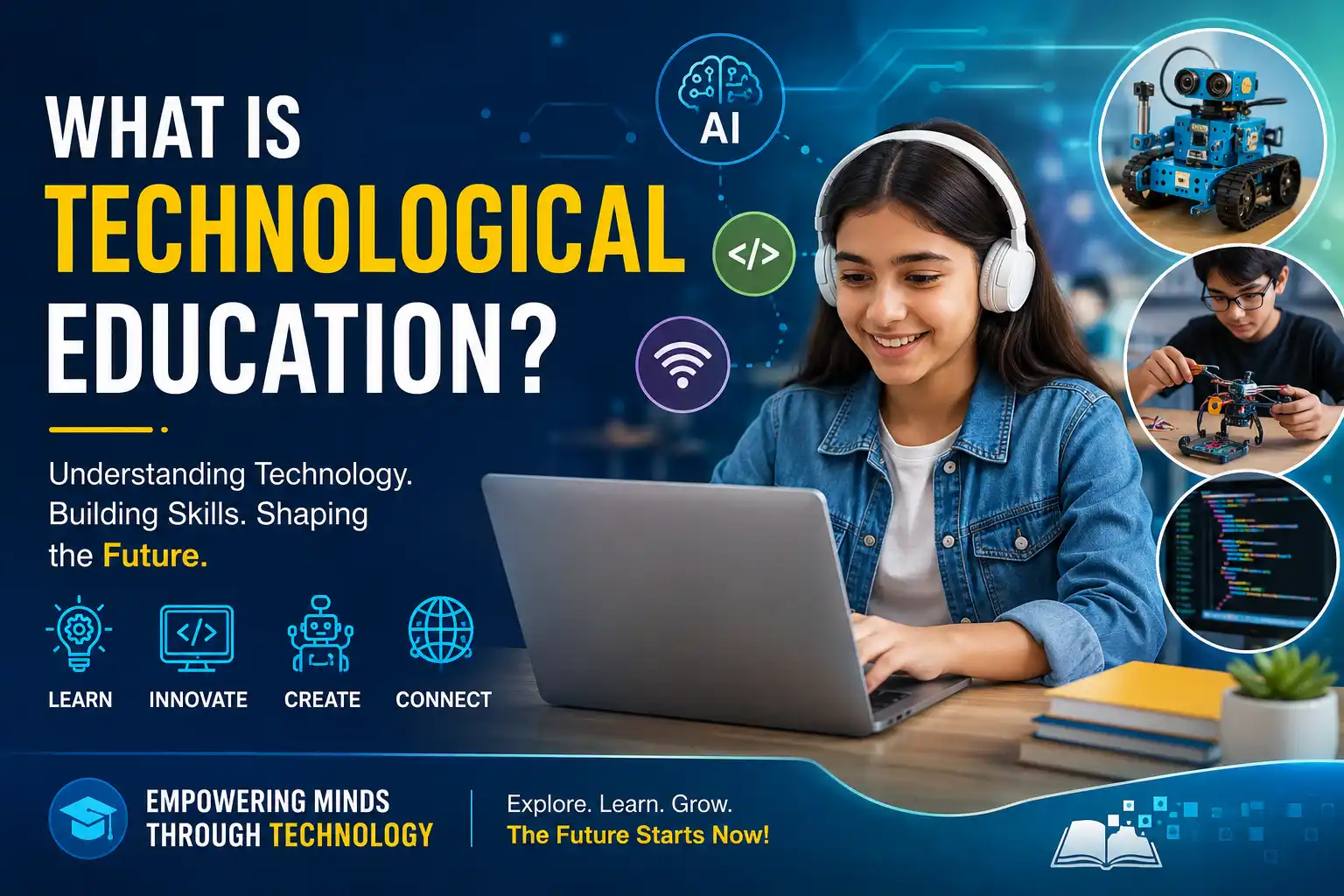
Technology is everywhere. From the smartphone in my pocket to the online tools I use daily for work, learning, and communication, technology has become part of modern life. But one thing I noticed while researching this topic is that many people still ask an important question: What is technological education, and why does it matter so much today?
In my experience, technological education is more than just learning how to use a computer or code a website. It’s about understanding how technology works, how it shapes our world, and how we can use it to solve real-life problems.
I was skeptical at first, but after spending time exploring online learning platforms, digital tools, and modern classrooms, I realized technological education is changing how students learn and how professionals grow in their careers. Whether you are a student, teacher, parent, or working professional, understanding this topic can help you stay prepared for the future.
In this guide, I’ll explain everything in simple English, including the meaning of technological education, its benefits, examples, challenges, tools, and how it impacts daily life.
What Is Technological Education?
Technological education is the process of learning about technology, digital tools, engineering concepts, computer systems, and practical technical skills. It teaches people how to use technology effectively, safely, and creatively in education, work, and everyday life.
Unlike traditional education, technological education focuses heavily on hands-on learning, innovation, and problem-solving.
For example, students may learn:
- Computer programming
- Robotics
- Artificial Intelligence (AI)
- Graphic design
- Digital communication
- Cybersecurity
- Engineering basics
- Data analysis
- Online collaboration tools
In many schools today, technological education includes platforms like Google Classroom, Microsoft Teams, coding tools such as Scratch, and learning systems powered by AI.
What I found most interesting is that technological education is not limited to computer science students anymore. Almost every career now requires some level of digital literacy.
Why Technological Education Matters Today
A few years ago, basic computer skills were considered optional in many jobs. Today, they are almost essential.
My daily routine includes writing online, researching digital tools, managing cloud files, and communicating through apps. Without technological knowledge, even simple tasks become difficult.
Here’s why technological education matters more than ever:
1. Technology Drives Modern Careers
Companies now rely on digital systems for almost everything. Industries like healthcare, banking, education, marketing, and manufacturing all use advanced technology.
Skills like coding, data management, digital communication, and cloud computing can improve career opportunities significantly.
For example, professionals often use tools from Adobe, Zoom, and Cisco in daily work environments.
2. It Encourages Problem-Solving
One thing I noticed while learning technical skills is that technology education trains the brain differently. Instead of memorizing information, students learn how to solve problems.
For example:
- How can we protect online accounts from hackers?
- How can a robot complete a task automatically?
- How can AI improve customer service?
These questions encourage creativity and logical thinking.
3. It Improves Digital Literacy
Digital literacy means understanding how to use digital devices and online tools safely and effectively.
This includes:
- Using the internet responsibly
- Identifying fake information
- Protecting personal data
- Communicating professionally online
In today’s world, digital literacy is just as important as reading and writing.
Types of Technological Education
Technological education is a broad field with many learning paths.
Computer Science Education
This focuses on:
- Coding
- Software development
- Algorithms
- App creation
Popular programming languages include:
- Python
- JavaScript
- Java
- C++
I remember trying beginner coding lessons online, and honestly, debugging errors tested my patience more than assembling furniture. But once things started working, it felt incredibly rewarding.
Engineering and Robotics
Students learn how machines, systems, and devices work.
This may include:
- Robotics
- Electronics
- Mechanical systems
- Automation
Robotics programs often use platforms like LEGO Education kits or Arduino boards for hands-on projects.
Information Technology (IT)
IT education teaches students how to manage technology systems and networks.
Topics include:
- Networking
- Cybersecurity
- Databases
- Cloud computing
Many businesses rely on systems from Amazon Web Services and Oracle for their operations.
Digital Media and Design
This area focuses on creative technology skills like:
- Video editing
- Graphic design
- Animation
- Content creation
Tools such as Adobe Photoshop and Canva are widely used.
About More Details: What Is the Wireless Technology? A Beginner-Friendly Guide to How It Really Works
How Technological Education Works in Schools
Modern classrooms are changing rapidly.
In my 3 weeks of testing different online education platforms, I noticed students engage more when lessons include videos, quizzes, interactive simulations, and real-world examples.
Today’s technological education often includes:
Smart Classrooms
Interactive whiteboards, tablets, and digital presentations help make lessons more engaging.
Instead of only reading textbooks, students can:
- Watch educational videos
- Join virtual discussions
- Complete online assignments
- Access cloud-based resources
Online Learning Platforms
Platforms like Coursera, Udemy, and Khan Academy have made learning more accessible worldwide.
Students can now learn:
- Coding
- Business skills
- Graphic design
- AI concepts
- Digital marketing
from almost anywhere.
STEM Education
STEM stands for:
- Science
- Technology
- Engineering
- Mathematics
Technological education plays a huge role in STEM learning because it combines theory with practical application.
For example, students might build a simple robot while learning math and engineering concepts at the same time.
Benefits of Technological Education
Better Career Opportunities
Many high-paying jobs now require technical knowledge.
Fields like:
- Software engineering
- Cybersecurity
- AI development
- Data science
- Cloud computing
continue to grow globally.
Increased Creativity
Technology is not just about coding.
Students use technology to:
- Create videos
- Design websites
- Build apps
- Produce music
- Develop games
What I loved most about this learning process was how creative it became. Technology blends logic with imagination.
Flexible Learning
One of the biggest advantages is accessibility.
Students can:
- Learn at their own pace
- Study remotely
- Access global resources
- Rewatch lessons anytime
This flexibility has changed education dramatically.
Improved Collaboration
Technology allows people worldwide to work together easily.
Tools like Slack and Google Docs help teams collaborate in real time.
Challenges of Technological Education
While technological education offers many benefits, it also has challenges.
Digital Divide
Not everyone has equal access to:
- Fast internet
- Modern devices
- Quality training
This creates educational inequality in some regions.
Distractions
Let’s be honest — technology can also distract students.
Social media, games, and endless notifications sometimes compete with learning.
I found this especially true during online learning sessions. Staying focused requires discipline.
Cybersecurity Risks
Online learning systems can expose users to:
- Data breaches
- Scams
- Phishing attacks
That’s why cybersecurity education is becoming increasingly important.
Technological Education vs Traditional Education
Traditional education often focuses heavily on memorization and lectures.
Technological education emphasizes:
- Interactive learning
- Practical experience
- Innovation
- Collaboration
- Real-world applications
However, the best education systems usually combine both approaches.
A balanced classroom might include:
- Traditional reading
- Digital simulations
- Group discussions
- Hands-on technical projects
Real-Life Examples of Technological Education
Example 1: Coding for Kids
Many schools now teach coding to children using beginner-friendly tools like Scratch.
Kids create:
- Simple games
- Animations
- Interactive stories
This helps develop logic and creativity early.
Example 2: Virtual Science Labs
Some schools use virtual labs where students perform science experiments digitally.
This reduces costs and improves accessibility.
Example 3: AI-Powered Learning
AI systems can personalize lessons based on student performance.
For example:
- Faster learners receive advanced material
- Struggling students get additional support
This creates a more customized learning experience.
The Future of Technological Education
Technology continues evolving quickly.
Future trends may include:
- Virtual Reality (VR) classrooms
- AI tutors
- Augmented Reality lessons
- Advanced robotics programs
- Personalized learning systems
Companies like Meta and OpenAI are already developing tools that could shape future education systems.
After comparing with my previous understanding of education, I realized the classroom of the future will likely look very different from traditional schools.
Quick Tips for Learning Technology Skills
If you want to improve your technological education, here are a few simple tips:
- Start with beginner-friendly courses
- Practice consistently
- Focus on real projects
- Learn digital safety basics
- Join online communities
- Stay curious about new tools
My biggest concern was feeling overwhelmed by technical terms, but starting small made everything easier.
Frequently Asked Questions
What is the main purpose of technological education?
The main purpose is to teach students practical technology skills, digital literacy, and problem-solving abilities needed for modern life and careers.
Is technological education only about computers?
No. It also includes engineering, robotics, digital communication, electronics, design, and many other technology-related fields.
Why is technological education important for students?
It prepares students for future careers, improves creativity, builds technical confidence, and helps them adapt to a digital world.
Final Thoughts
Technological education is no longer optional in today’s world. It shapes how we learn, work, communicate, and solve problems.
In my experience, learning technology skills doesn’t mean becoming a computer genius overnight. It simply means becoming more confident and capable in a digital environment.
Whether someone wants to build apps, improve workplace skills, explore AI, or simply understand modern technology better, technological education opens many doors.
And honestly, once you start learning, it becomes surprisingly fun, even if your first coding project crashes spectacularly like mine did.
What are your thoughts on technological education? Have you used online learning tools or digital classrooms before? Share your experience in the comments and join the discussion.