French Drain Gravel: The Right Size, Type, and Amount for a Drain That Lasts
Every heavy rain turns part of your yard into a shallow pond, the soggy patch by the foundation never quite dries out, and you are starting to wonder whether the damp smell in the basement is connected to the water sitting outside. A french drain with gravel can fix that problem, but only if the gravel inside it is right, because the stone is not decoration and it is not filler. The gravel is the drainage system itself, and when it is too small, too dirty, or too round, water slows down, silt moves in, and a drain that should last decades can start failing within a few years. This guide explains exactly what size gravel for french drain work you should order, what type of gravel for french drain projects performs best, how much stone a typical trench needs, and which mistakes quietly ruin an otherwise well dug drain.
A french drain is a sloped trench filled with gravel and usually fitted with a perforated pipe, and its job is to collect groundwater and surface water and carry it away from a house, a wall, or a low spot in the yard. Water enters through the gaps between the stones, drops into the pipe, and flows by gravity to a safe outlet, which is why the whole system depends on those gaps staying open. If the gaps clog with soil or stone dust, the trench stops collecting water and starts holding it, and at that point the drain is just a buried ditch full of wet rock. Choosing gravel for french drain projects therefore means choosing a stone that keeps large, stable gaps for decades, and that single requirement explains almost every recommendation that follows. gravel calculator
How a French Drain Actually Works
A french drain works because water follows the path of least resistance, and a trench full of clean, open stone offers far less resistance than the compacted soil around it. Rainwater and groundwater seep sideways and downward through the soil, meet the gravel envelope, and then travel quickly through the void space between the stones until they reach the perforated pipe at the bottom of the trench. The pipe then carries the collected water downhill to an outlet, and the steady slope of the trench is what keeps that water moving instead of pooling inside the pipe. This is also why a drain with no outlet, or with an outlet at the same level as the lawn, so often disappoints, because the water has nowhere useful to go. Before you buy any stone, decide where the water will exit, and make sure that exit sits lower than the wet area you are trying to drain.
The gravel in the trench does three jobs at once, and a good stone choice has to serve all three rather than just one of them. First, it creates the open channel that water moves through, which is the drainage job that most people think of first. Second, it supports the pipe and the trench walls, holding the pipe in position and stopping the walls from squeezing inward under the weight of the backfilled soil. Third, it acts as a first filter, because stones of the right size slow down soil particles before they can reach the pipe openings, while stones that are too large leave gaps wide enough for soil to wash straight through. A stone that drains beautifully but shifts under load, or filters well but packs tight, will fail at one of these jobs, and the failure usually shows up as standing water returning to the same spot.
What Size Gravel for a French Drain
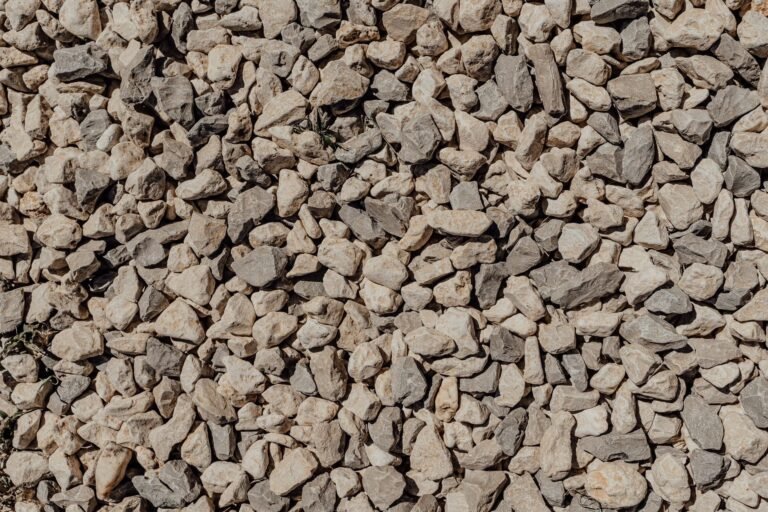
The standard answer to what size gravel for french drain work is best is washed stone between 3/4 inch and 1 1/2 inches, with 3/4 inch stone as the most common default for residential drains. This size range is popular because it strikes a balance that smaller and larger stone both miss, since the gaps between the stones are large enough for fast water flow but small enough to keep ordinary soil particles from pouring through. Stones smaller than 1/2 inch pack together too tightly, leave too little void space, and let fine soil migrate deep into the drain, while stones much larger than 1 1/2 inches leave oversized gaps that let soil through and give the pipe less even support. If you remember only one number from this guide, make it 3/4 inch washed stone, and then check with your supplier that the load you receive actually matches that size.
Two industry size codes cover most of what you will be offered, and knowing them helps you order with confidence instead of guessing from a pile in a yard. The code #57 crushed stone is the industry standard for french drains, and it generally runs from about 1/2 inch to 1 inch, which puts most of the load right around the ideal 3/4 inch size. The slightly smaller code #67 stone runs roughly from 3/8 inch to 3/4 inch, and it suits narrower trenches or tighter work around a smaller pipe, though it leaves a little less void space than #57 stone. For very deep trenches or very high water volumes, some suppliers suggest larger #4 stone at 1 inch to 2 1/2 inches, but that size is overkill for most yards and can leave gaps that let soil in. When a supplier uses a local name instead of a code, ask for the screened size range in inches and whether the stone has been washed, because those two answers matter more than the name on the ticket.
The Best Gravel for a French Drain
The best gravel for french drain projects is clean, washed, angular crushed stone, and the best gravel for drainage in general follows the same rule, because angular stone locks together while rounded stone slides. Crushed gravel for drainage earns its recommendation from its shape, since the sharp, irregular edges produced by crushing let neighbouring stones grip each other and hold their gaps open under the weight of soil and traffic above. That interlocking structure is what keeps a drain working after years of wetting, drying, and loading, and it is the main reason contractors reach for crushed stone before anything smoother. A load of crushed stone may look rougher and less pretty than a pile of polished river rock, but beauty is not the job here, and the rough stone is doing structural work that the pretty stone cannot.
Washed stone deserves emphasis of its own, because washing is what separates drainage stone from ordinary fill, and unwashed stone is one of the fastest ways to ruin a new drain. Washing removes the fines, meaning the sand, silt, clay, and rock dust that would otherwise settle into the gaps between the stones and choke off water flow from the inside. A supplier may describe a load as clean, screened, or rinsed, but you should confirm that the fines have actually been removed rather than merely knocked off the surface, since a dusty load can look clean in the yard and still clog a trench after the first few storms. One simple check is to pour water through a bucket of the sample stone, because good drainage stone should let water pass quickly without turning the runoff milky with suspended dust. If the sample leaves a thick layer of silt behind, ask for a properly washed load or find another supplier before the stone goes into the ground.
Why Pea Gravel Is Usually the Wrong Choice
Pea gravel for drainage looks tempting because it is cheap, widely available, and easy to shovel, but it is usually the wrong stone for the main channel of a french drain. Pea gravel stones are small, typically around 1/8 inch to 3/8 inch, and their smooth, rounded shape means they roll against each other and settle into tighter arrangements under load, which steadily shrinks the void space that water needs. Small stones also let fine soil particles migrate between them more easily, so sediment works its way deeper into the drain and eventually reaches the pipe openings. That combination of tight packing and easy sediment migration is exactly why so many guides warn against pea gravel for a french drain, even though the same stone works perfectly well as a decorative surface or a light garden path.
The direct question behind this warning is whether is pea gravel good for drainage at all, and the honest answer is that it depends on what kind of drainage you mean. Pea gravel can drain surface water on a path or a patio base where the water only needs to pass through a shallow layer and where no pipe depends on the gaps staying open for decades. It is a poor choice for the pipe zone of a french drain, where the stone must hold large, stable gaps, support a pipe, and resist clogging for thirty years or more. If a contractor or a neighbour suggests pea gravel for the whole trench because it is cheaper, treat that as a warning sign rather than a bargain, since the money saved on stone is small compared with the cost of digging the drain up again. Keep pea gravel for the surface dressing or the garden path, and put crushed stone where the water actually has to travel.
Crushed Stone Compared With River Rock and Limestone
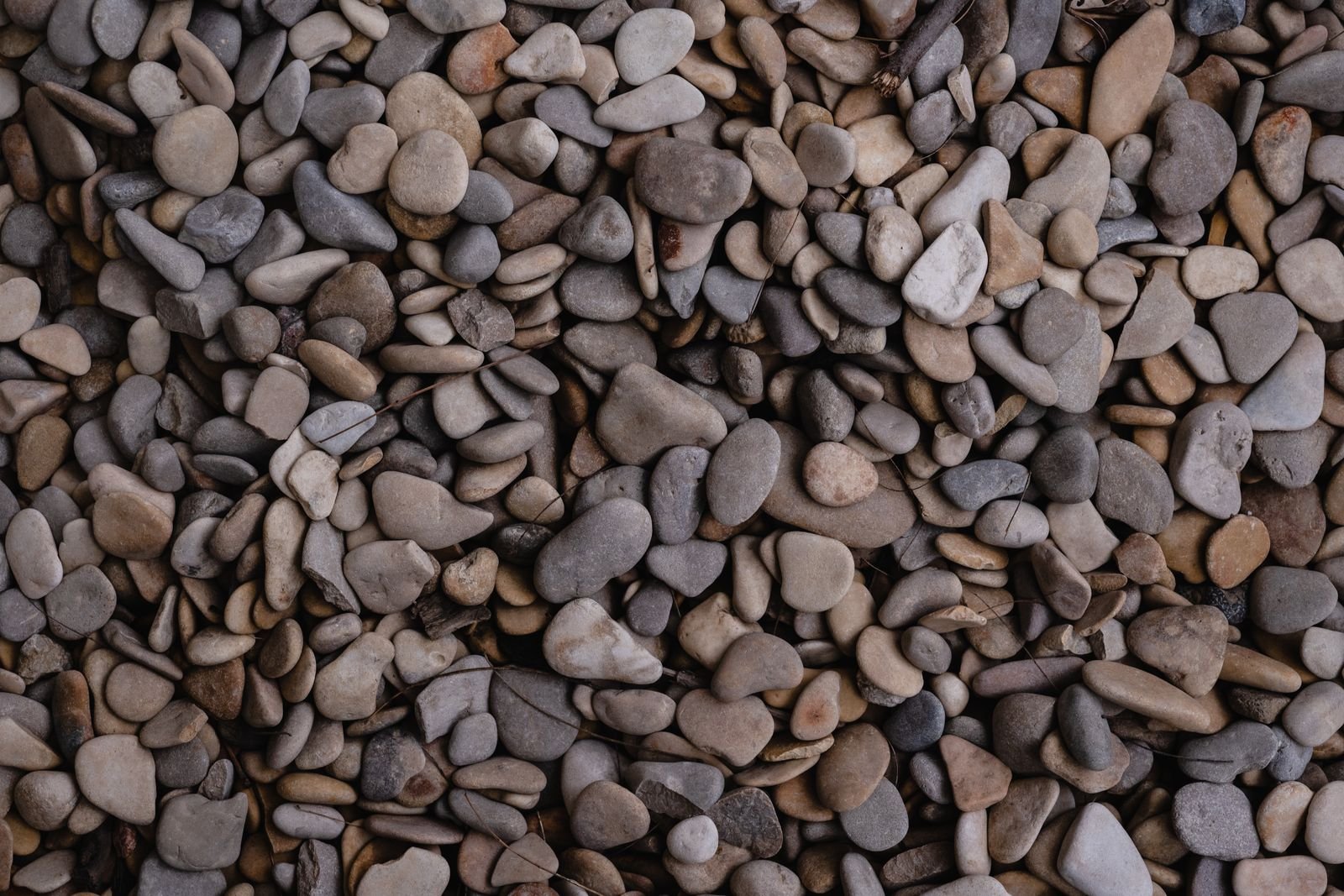
River rock is the other stone that regularly appears in french drain advice, and it deserves a fair hearing because washed river rock in the 3/4 inch to 1 1/2 inch range can drain well. Its smooth, rounded shape is its weakness as well as its charm, since rounded stones do not interlock the way crushed stone does, and they can shift and settle under load in a way that slowly reduces drainage capacity. River rock also tends to cost more than crushed stone in many areas, and its larger, decorative sizes can leave gaps wide enough for soil to enter if the fabric wrap is skipped or torn. If you already have washed river rock in the right size range and a proper fabric wrap, it can serve, but crushed stone remains the safer default for a drain that has to perform rather than decorate. Suppliers often sell this same washed material under the name drain rock, so check the size range rather than trusting the label alone.
Limestone needs a separate warning, because it is hard and widely available yet it breaks down faster than granite or trap rock in wet, acidic conditions. Acidic rainwater slowly dissolves limestone, and the fine particles released by that breakdown wash into the gaps and the pipe, which is the same clogging problem that unwashed stone causes. Crushed limestone can still serve as a base layer under a driveway or a path, where drainage is less critical, but it is a poor choice for the pipe zone of a french drain. Granite chips, by contrast, are hard, durable, and resistant to erosion, which is why they appear on several best rock lists, though they usually cost more than ordinary crushed stone. For most homeowners the practical choice is simple, which is to order washed crushed stone in the #57 range and spend the savings on good fabric and a proper outlet.
The Pipe, the Fabric, and the Slope Work as One System
Gravel alone does not make a french drain, because the stone, the pipe, the fabric, and the slope only work when they are built as a single system. The perforated pipe sits on a bed of gravel about 2 to 3 inches deep at the bottom of the trench, and it should be centred so that water can flow freely underneath it as well as around its sides. The holes in the pipe should face down, not up, because the pipe is meant to collect water rising from the gravel bed below rather than to catch grit falling from above, and holes facing up let sediment drop straight into the pipe. A solid, non perforated pipe should take over where the collected water leaves the gravel zone and travels to its outlet, since a perforated pipe in that stretch would leak water back into the yard it just drained.
The fabric wrap is the part most often skipped and most often regretted, and it should be a nonwoven geotextile fabric rather than a cheap woven landscape cloth. Nonwoven fabric lets water pass through freely while blocking soil particles, whereas woven fabric can trap water and slow the drain, and the familiar burrito wrap method folds the fabric over the top of the gravel so the whole stone envelope is enclosed. That enclosure is what stops surrounding soil from mixing into the gravel over the years, and drains built without it in silty soil have been known to fail within one to two years. Use a 4 to 6 ounce nonwoven fabric, overlap joins by 12 to 18 inches in the direction of water flow, and leave enough extra fabric hanging over the trench edges to fold across the top before backfilling. gravel sizes
The trench slope is the quiet detail that decides whether the system drains at all, and the standard target is a fall of at least 1 percent, which means about 1 inch of drop for every 8 feet of run. A laser level or a tight string line with a level will help you hold that grade, and the gravel bed itself can be used to fine tune small dips before the pipe goes in. Where the water goes matters just as much as the slope, so plan a daylight outlet where the pipe empties above ground at a lower spot, or a dry well where water can soak away slowly into suitable soil. Never discharge the drain onto a neighbour’s land or a public footpath, and never connect it to a septic field, since both mistakes create legal trouble and new water problems. A drain without a planned, lower outlet is not a drain at all, because the water it collects has nowhere useful to go.
How Deep and Wide Should the Trench Be
A typical residential french drain trench is 12 to 18 inches wide and 18 to 24 inches deep, though the right depth depends on what problem you are solving. A surface drain that catches yard water can work at 12 to 18 inches deep, while a footing drain that protects a foundation usually needs to run deeper, at 24 to 36 inches, so that the pipe sits below the level of the problem it is meant to relieve. The trench must be wide enough to hold the pipe plus gravel on both sides, which generally means at least 6 inches of stone around the pipe, and a trench narrower than about 9 inches leaves too little stone to filter and carry water properly. If you hit dense clay or thick roots while digging, loosen the soil carefully rather than narrowing the trench to get past them, since a pinched section becomes a bottleneck for the whole run.
Digging is the hardest part of the project, and a few practical steps make it far less painful than it first looks. Call your local utility marking service before you dig, since cutting a buried cable or pipe turns a weekend project into an emergency, and mark the full route with spray paint or stakes so the trench stays direct and the slope stays steady. Keep the excavated soil on a tarp so the lawn is easier to restore, and remove sharp rocks from the trench bottom so they cannot puncture the fabric once the gravel goes in. A sod cutter helps if you plan to relay the grass, and a trencher or a mini excavator is worth hiring for any run longer than about 30 feet. The digging may take a weekend, but a straight, evenly sloped trench is what lets the gravel and the pipe do their jobs for decades.
How Much Gravel Do You Need
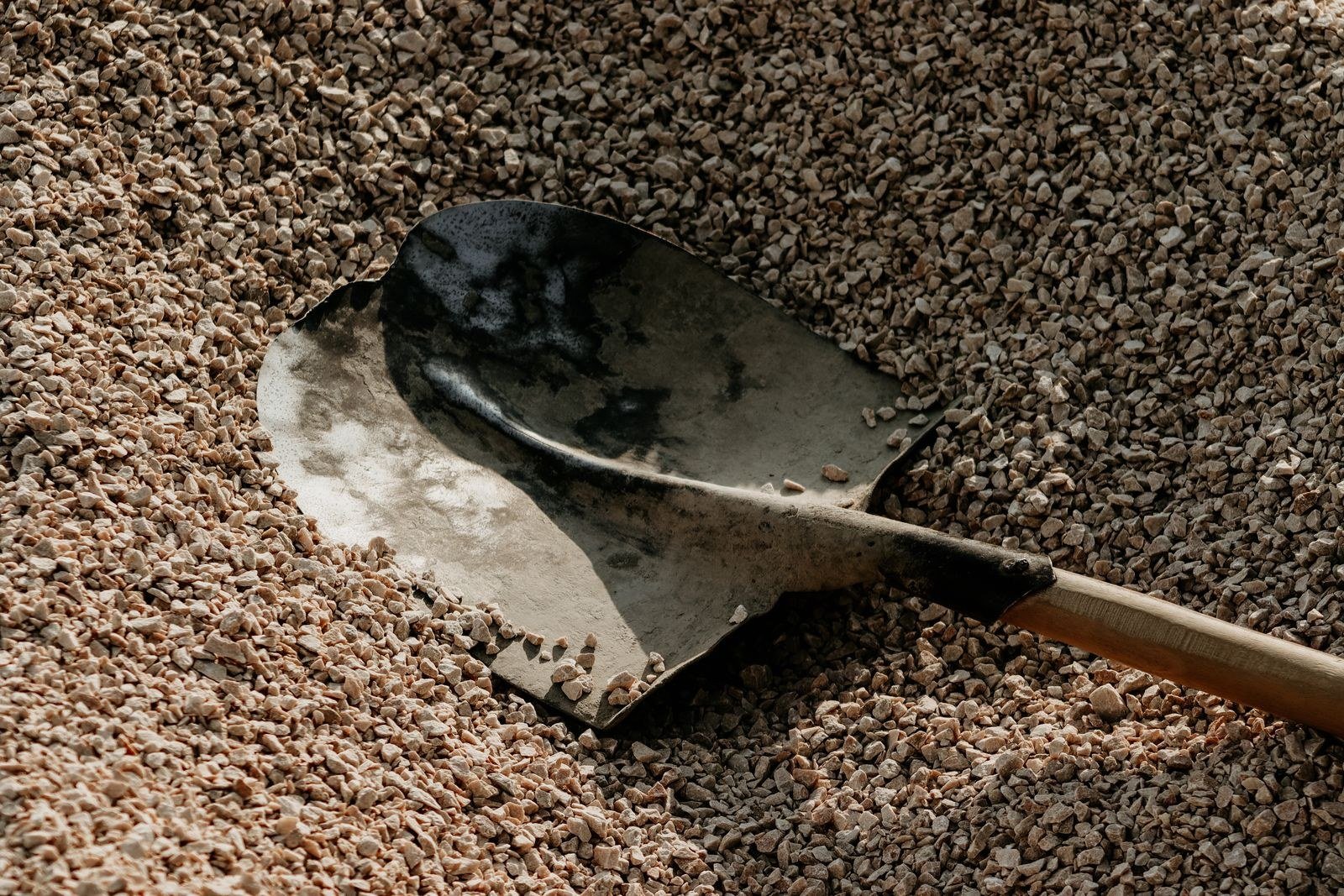
The quantity math for a french drain is simple, and a small worked example shows how the numbers fit together without any guesswork. Start with the trench volume in cubic feet by multiplying length by width by depth in feet, then divide by 27 to get cubic yards, and convert to tons using the density of the stone you ordered. Using the density for crushed stone #57 of 105 pounds per cubic foot, a 40 foot drain that is 12 inches wide and 18 inches deep holds 40 times 1 times 1.5, which is 60 cubic feet of trench volume. That volume converts to about 2.2 cubic yards, and the weight works out to 60 times 105 divided by 2000, which is about 3.2 tons of stone before any allowance for waste. Add roughly 10 percent extra for settling, spillage, and sloped trench walls, which brings the order to about 3.5 tons, and order the whole load at once so the stone size and washing stay consistent along the run.
A french drain gravel calculator can do this arithmetic for any trench size, and it is worth using one before you call a supplier so you can compare quotes in the same units. Suppliers sell by the ton or by the cubic yard, and one cubic yard of #57 crushed stone weighs roughly 1.4 tons, so a quote that looks cheap per yard may not be cheap per ton. Note that the pipe itself takes up a small part of the trench volume, roughly 9 percent for a 4 inch pipe in a 12 inch trench, but most guides recommend ordering the full trench volume anyway, since the extra stone covers settling and uneven digging. If your trench walls slope outward in soft soil, add 10 to 15 percent to the calculated volume, because a trench that is wider at the top than at the bottom holds more stone than the simple rectangle formula suggests. types of gravel
What a French Drain Costs
Material costs for a french drain vary by region and by stone, but the gravel itself is rarely the most expensive part of the job. Washed #57 crushed stone commonly sells for roughly 35 to 55 dollars per ton before delivery, while decorative river rock can run far higher per ton, which is another reason crushed stone is the practical default. A short do it yourself drain of about 25 feet can cost roughly 500 dollars in materials, including pipe, fabric, and stone, while professional installation for the same length can range from a few hundred dollars to nearly two thousand dollars depending on depth, soil, and access. Long or deep drains, drains that cross a driveway, and drains that need a dry well or a pump will all cost more, and difficult digging in clay or rock adds labour faster than any material choice.
The cheapest way to build a french drain is also the most expensive way to own one, because a drain built with dirty stone, no fabric, or no outlet will need to be dug up and rebuilt. Spending a little more on washed stone and proper nonwoven fabric buys decades of service, and a well built drain commonly lasts 30 to 40 years with only light maintenance. Get at least two supplier quotes in the same units, confirm the stone size and washed status in writing, and ask about delivery placement, since a load dumped at the kerb costs you hours of wheelbarrow work. If the total budget is tight, shorten the drain to the section that actually collects the water rather than downgrading the stone, because a short drain built properly beats a long drain built badly.
Mistakes That Ruin a French Drain
The most common mistake is ordering the wrong stone, and it usually happens in one of three ways that are all easy to avoid once you know them. The first is buying pea gravel for the pipe zone because it is cheap and easy to handle, which packs tight and lets sediment in as described above. The second is buying unwashed stone or crusher run, which still contains dust and fines that settle into the gaps and choke the drain from the inside. The third is buying stone that is far too large, which leaves gaps wide enough for soil to wash through and gives the pipe uneven support. Any one of these mistakes can cut a drain’s life from decades to a few years, and all three are decided at the supplier’s yard before a single shovel of soil is moved.
The next group of mistakes happens during installation, and they are just as damaging as the wrong stone. Skipping the fabric wrap lets soil mix straight into the gravel, while using woven fabric instead of nonwoven fabric slows water and invites clogging. Laying the pipe with its holes facing up lets grit fall in from above, and laying the pipe flat or with dips lets water pond inside it instead of flowing to the outlet. Connecting roof downspouts directly into the same drain can overwhelm it during a storm, so roof water should usually travel in its own solid pipe with a catch basin to trap leaves. Finally, covering the finished trench with heavy clay soil instead of topsoil and sod can seal the surface and stop water from reaching the drain at all, which defeats the purpose of digging it.
Maintenance and How Long a French Drain Lasts
A properly built french drain needs very little maintenance, and most of that maintenance is about keeping the ends of the system clear rather than digging anything up. Clear leaves and debris from the outlet and any pop-up emitter at least once a year, and check after heavy storms that water is actually leaving the outlet instead of pooling near it. If flow slows down, flushing the pipe with a garden hose through a cleanout, or running a sewer snake with a helper, often clears a partial blockage without excavation. Keep deep rooted shrubs and trees away from the trench line where possible, since roots seek out the steady moisture in a drain and can force their way through fabric over time. Mark the location of the cleanout and the outlet before you finish the surface, because finding them later under sod and soil is far harder than it sounds.
With washed stone, proper fabric, correct slope, and a clear outlet, a french drain should serve for 30 to 40 years, and some well built systems last even longer with only the light care described above. The usual failure mode is not the stone wearing out but silt slowly entering the system, which is why fabric quality and washed stone matter more than any brand name on the pipe. A drain that slows gradually over several years is usually silting up, while a drain that stops suddenly after a storm may have a crushed section, a blocked outlet, or a collapsed pipe. Catching either problem early, by checking the outlet after storms and flushing the line when flow drops, can add years to the drain’s life. If flow does not recover after flushing, a camera inspection will show whether the problem is silt, roots, or a damaged pipe, and that diagnosis is far cheaper than digging up the whole run on a guess.
Frequently Asked Questions
What size gravel is best for a french drain?
The best size for most residential french drains is washed stone between 3/4 inch and 1 1/2 inches, with 3/4 inch #57 crushed stone as the standard default. This range leaves gaps large enough for fast water flow while still filtering out ordinary soil particles before they reach the pipe. Stones smaller than 1/2 inch pack too tightly and invite clogging, while stones larger than 1 1/2 inches leave gaps wide enough for soil to wash through. If your supplier offers a different local name, ask for the screened size range in inches and confirm the stone is washed before ordering.
Is pea gravel good for drainage?
Pea gravel can drain water on a path, a patio base, or a decorative surface, but it is usually a poor choice for the pipe zone of a french drain. Its small, smooth, rounded stones settle into tight arrangements under load, which shrinks the gaps that water needs, and its small size lets fine soil migrate deeper into the drain. Washed crushed stone in the 3/4 inch range holds larger, more stable gaps and supports the pipe far better over decades. Save pea gravel for surfaces where looks matter and no pipe depends on the stone, and use crushed stone where the water actually has to travel.
What type of gravel is best for a french drain?
The best type is clean, washed, angular crushed stone, most commonly #57 stone, because its sharp edges interlock and hold open gaps under the weight of backfilled soil. Washed river rock in the same size range can work, but its rounded shape shifts more easily and it usually costs more than crushed stone. Avoid unwashed stone, crusher run with fines, and soft limestone for the pipe zone, since all three introduce particles that clog gaps and pipe openings. Granite chips are a durable but pricier alternative if you want a harder stone and your supplier stocks them.
Do I really need landscape fabric around the gravel?
Yes, a nonwoven geotextile fabric wrap is one of the most important parts of a long lasting french drain, and skipping it is a common cause of early failure. The fabric separates the gravel from the surrounding soil, letting water through while blocking the soil particles that would otherwise fill the gaps between the stones. Line the trench with the fabric, lay the gravel and pipe inside it, and then fold the extra fabric over the top to enclose the whole stone envelope. Use a 4 to 6 ounce nonwoven fabric rather than woven cloth, since woven fabric can trap water and slow the drain.
How deep and wide should the trench be?
A typical residential trench is 12 to 18 inches wide and 18 to 24 inches deep, with the pipe sitting on 2 to 3 inches of gravel at the bottom and at least 6 inches of stone around it. Surface drains that catch yard water can work at 12 to 18 inches deep, while footing drains that protect a foundation usually need 24 to 36 inches so the pipe sits below the problem. The trench also needs a steady fall of about 1 percent toward an outlet that sits lower than the wet area. A trench that is too narrow, too shallow, or flat will underperform no matter how good the stone inside it is.
Should the holes in the pipe face up or down?
The holes in a perforated pipe should face down, because the pipe is designed to collect water rising from the gravel bed beneath it rather than to catch water falling from above. Holes facing up let grit and sediment drop straight into the pipe, where they settle and slowly block flow, and they also delay drainage until the trench is already waterlogged. Lay the pipe centred on its gravel bed with the holes down, cap the high end so soil and gravel cannot enter, and switch to solid pipe where the water leaves the gravel zone for its outlet. This single detail is small, but it is one of the most common installation errors reported by homeowners.
How much gravel do I need for a french drain?
Multiply the trench length by its width and depth in feet to get cubic feet, divide by 27 for cubic yards, and convert to tons using your stone’s density, then add about 10 percent for waste and settling. For example, a 40 foot drain that is 1 foot wide and 1.5 feet deep holds 60 cubic feet, which is about 2.2 cubic yards or about 3.2 tons of #57 crushed stone at 105 pounds per cubic foot, rising to about 3.5 tons with the waste allowance. A french drain gravel calculator can repeat this math for any trench size, and ordering the full load at once keeps the stone size consistent. Suppliers sell by the ton or the yard, so compare quotes in the same unit before you choose.
Can a french drain work with gravel only and no pipe?
A gravel only trench can help with shallow surface water, since water will still travel through the open stone toward a lower outlet, but it carries far less water than a trench fitted with a pipe. For heavy rainfall, foundation protection, or any area that collects a large volume of water, a perforated pipe is strongly recommended, because the pipe moves water quickly along the whole run instead of letting it seep slowly through stone alone. A gravel only drain also clogs sooner in silty soil, since there is no smooth pipe bore to flush. If you build without a pipe, keep the run short, the stone washed and correctly sized, and the outlet clear.
How long does a french drain last, and what maintenance does it need?
A well built french drain lasts 30 to 40 years, and its main enemy over that time is silt entering the stone, not the stone itself wearing out. Maintenance is light, and it mostly means clearing the outlet and any emitter once a year, checking flow after heavy storms, and flushing the pipe through a cleanout if flow slows. Keep deep rooted plants away from the trench line, and mark the cleanout and outlet before you finish the surface so they can be found later. If flushing does not restore flow, a camera inspection will show whether silt, roots, or a damaged pipe is responsible before you consider digging.
A french drain is only as good as the gravel inside it, and now that choice is straightforward rather than a gamble. Order washed #57 crushed stone in the 3/4 inch range, wrap it in nonwoven geotextile fabric, lay the perforated pipe with its holes down on a steady 1 percent slope, and give the water a lower outlet it can actually reach. That combination covers the size, the type, the quantity, and the installation details that decide whether a drain lasts a few years or a few decades. Measure your trench, run the quantity math or a french drain gravel calculator before you order, and confirm the stone size and washed status with your supplier in writing. Done that way, the soggy patch, the standing water, and the damp worry by the foundation finally have somewhere better to go.